Research Project
Video Quality Assessment Compatible with PSNR Using Human Visual Perception
This project develops perception-aware video quality metrics that integrate modern psychovisual models of central and peripheral human vision into objective video quality assessment.
Key Contributions
Abstract
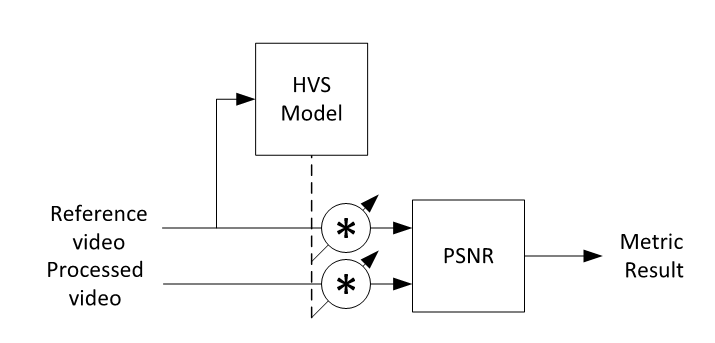
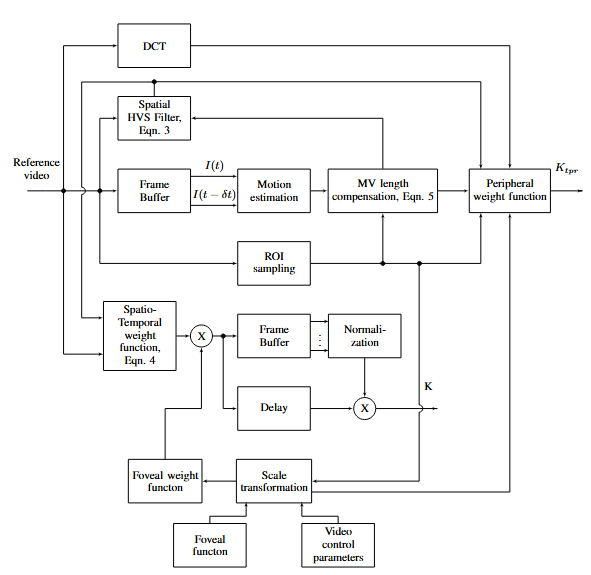
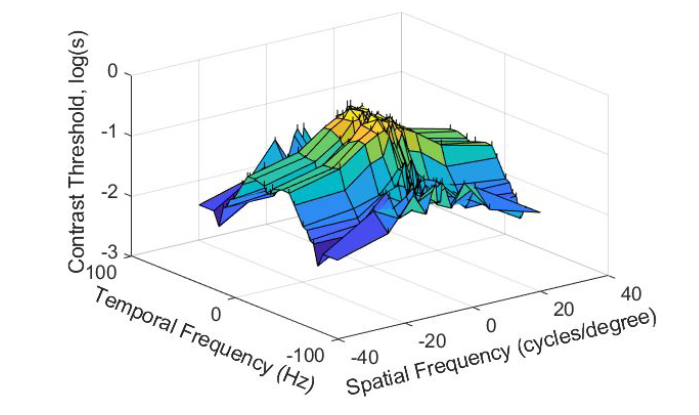
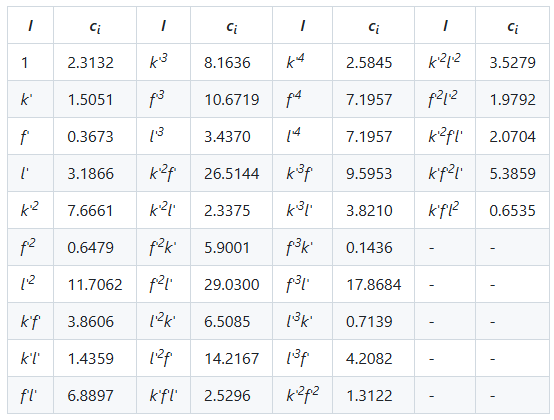
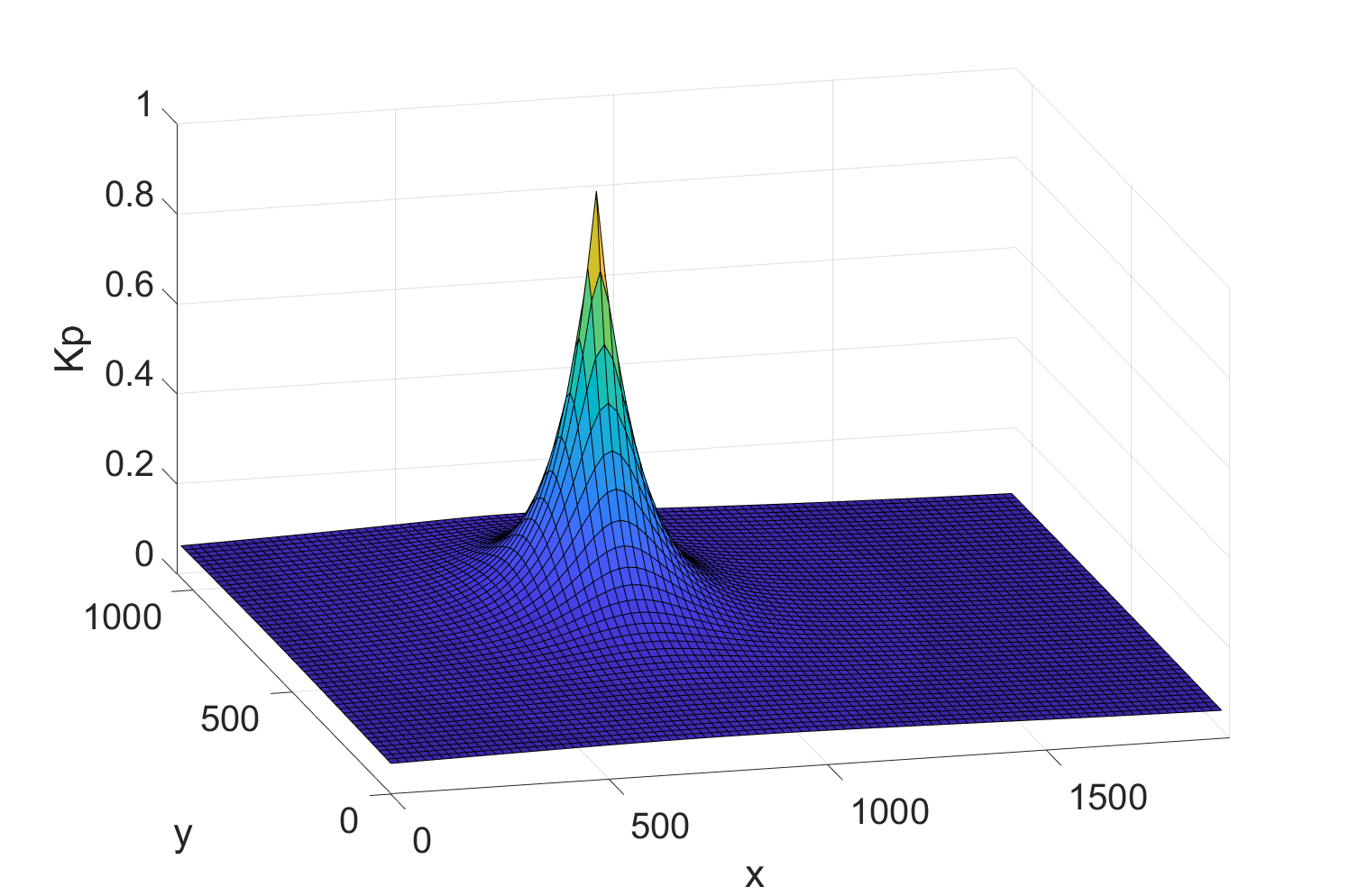
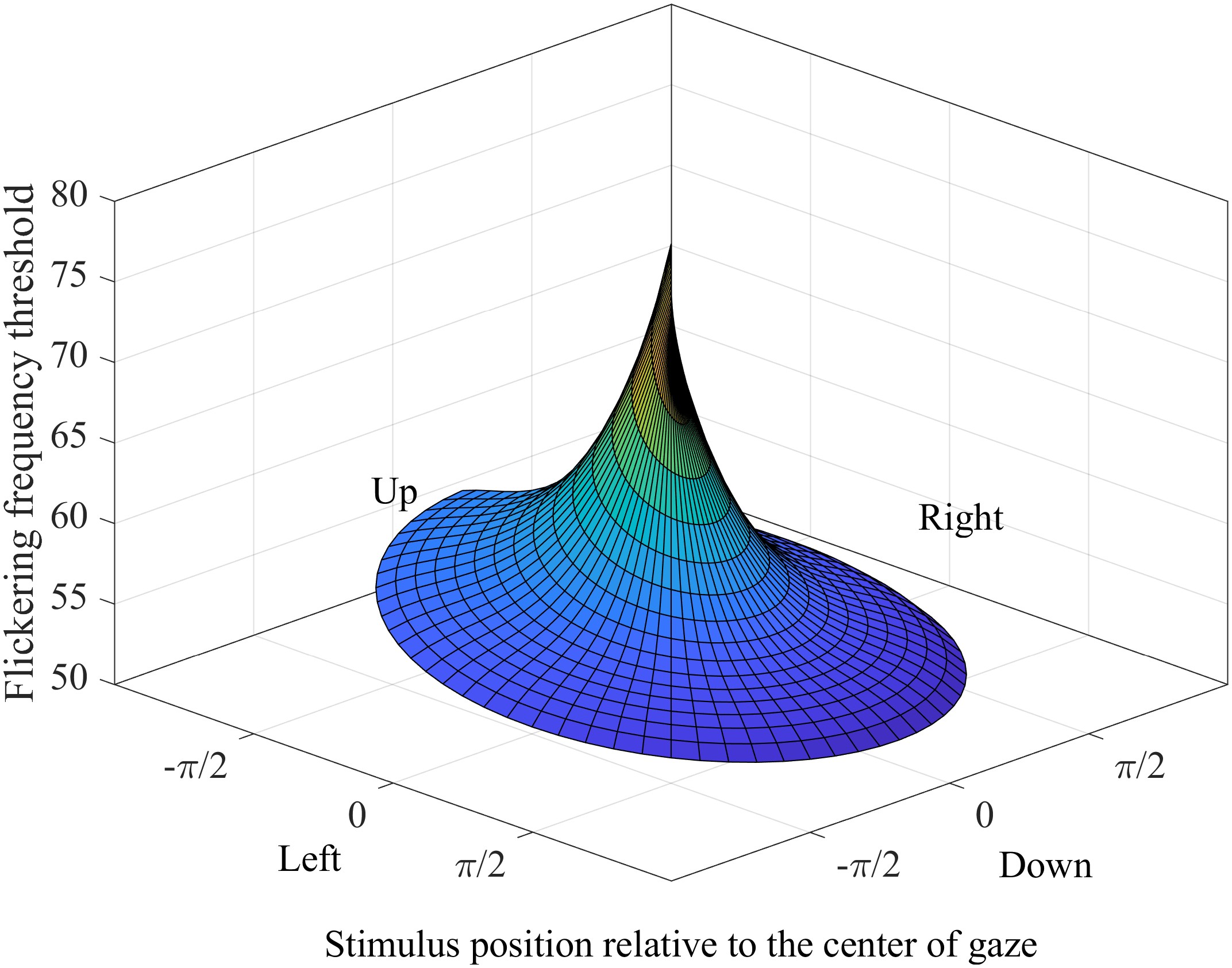
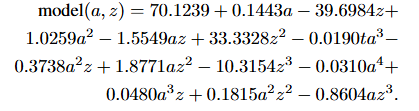
This work analyses existing data on human perception of temporal frequencies in both central and peripheral vision. It presents a new method for measuring video quality based on modern models of human contrast sensitivity, including visibility thresholds for spatio-temporal sinusoidal variations with different spatial dimensions and temporal modulation rates on modern displays.
Unlike traditional pixel-based metrics, the proposed methodology incorporates recent knowledge of how humans perceive visual information across the field of view. This enables objective video quality prediction to better reflect subjective human experience while remaining compatible with established PSNR-based evaluation frameworks.
The research contributes to perceptual video compression, immersive media, embedded vision systems, UAV video transmission, and next-generation Visual AI systems where perceived quality, bandwidth efficiency, and computational constraints are critical.
Technical Focus
Metric Development
- PSNR-compatible video quality assessment informed by human visual perception.
- Spatio-temporal contrast sensitivity modelling for modern video presentation conditions.
- Central and peripheral vision integration for improved perceptual prediction.
- Objective quality prediction closer to subjective human ratings.
Application Context
- Perceptual video compression for reducing visually redundant information.
- Immersive and wide-angle video where peripheral perception becomes important.
- Embedded video systems operating under bandwidth and computational constraints.
- Visual AI workflows that benefit from perception-aware image and video processing.
Publications and Materials
IEEE IVCNZ 2024
Mozhaeva A, Vlasuyk I, Potashnikov A, Mazin V and Streeter L (2024). Video Quality Metric Compatible with PSNR Considering Recent Knowledge of Peripheral Characteristics of Human Vision. 39th International Conference on Image and Vision Computing New Zealand, Christchurch, New Zealand.
Springer LNCS
Mozhaeva A, Mazin V, Cree MJ, Streeter L (2022). Video quality assessment considering the features of the human visual system. Lecture Notes in Computer Science, Springer Nature Switzerland, pp. 288–300.
FRUCT 2021
Mozhaeva A, Streeter L, Vlasuyk I, Potashnikov A (2021). Full reference video quality assessment metric on base human visual system consistent with PSNR. 28th Conference of Open Innovations Association FRUCT.
Code and Data
Source code and experimental data for the PSNR-M Plus model are available in the project repository.
Visual Methodology

Experimental Results
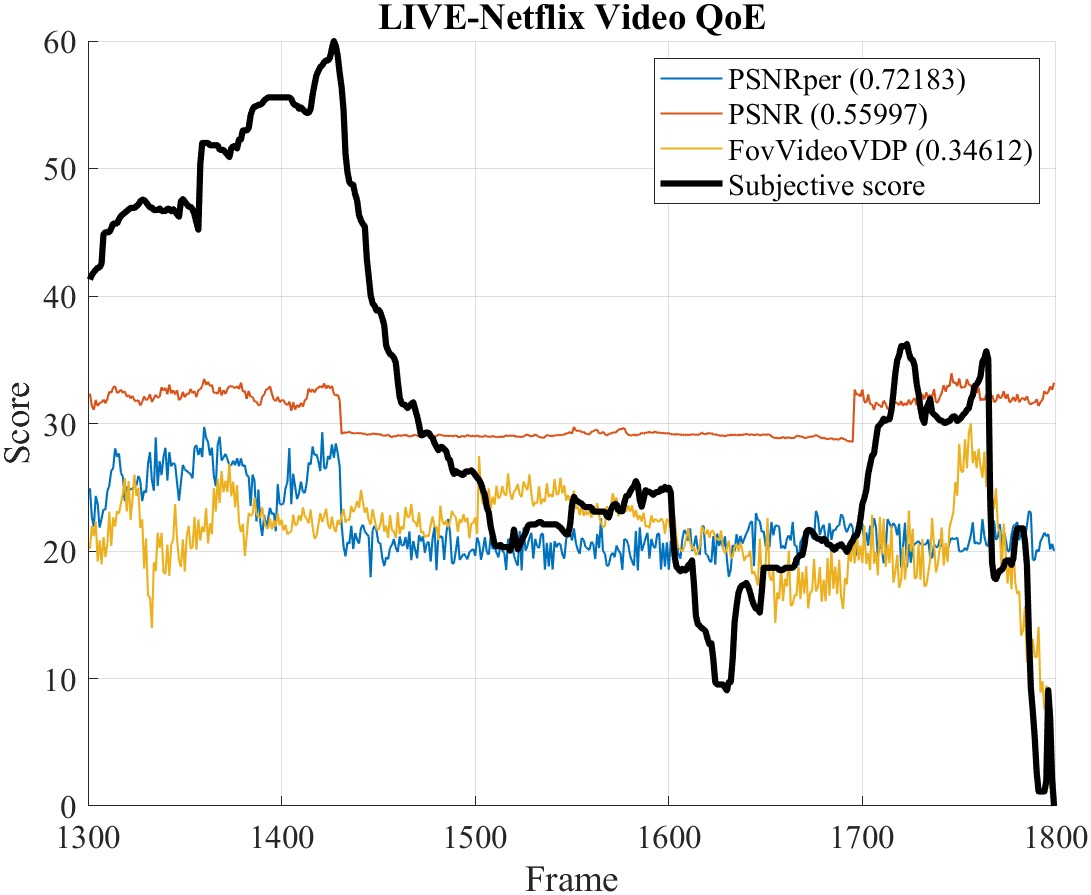
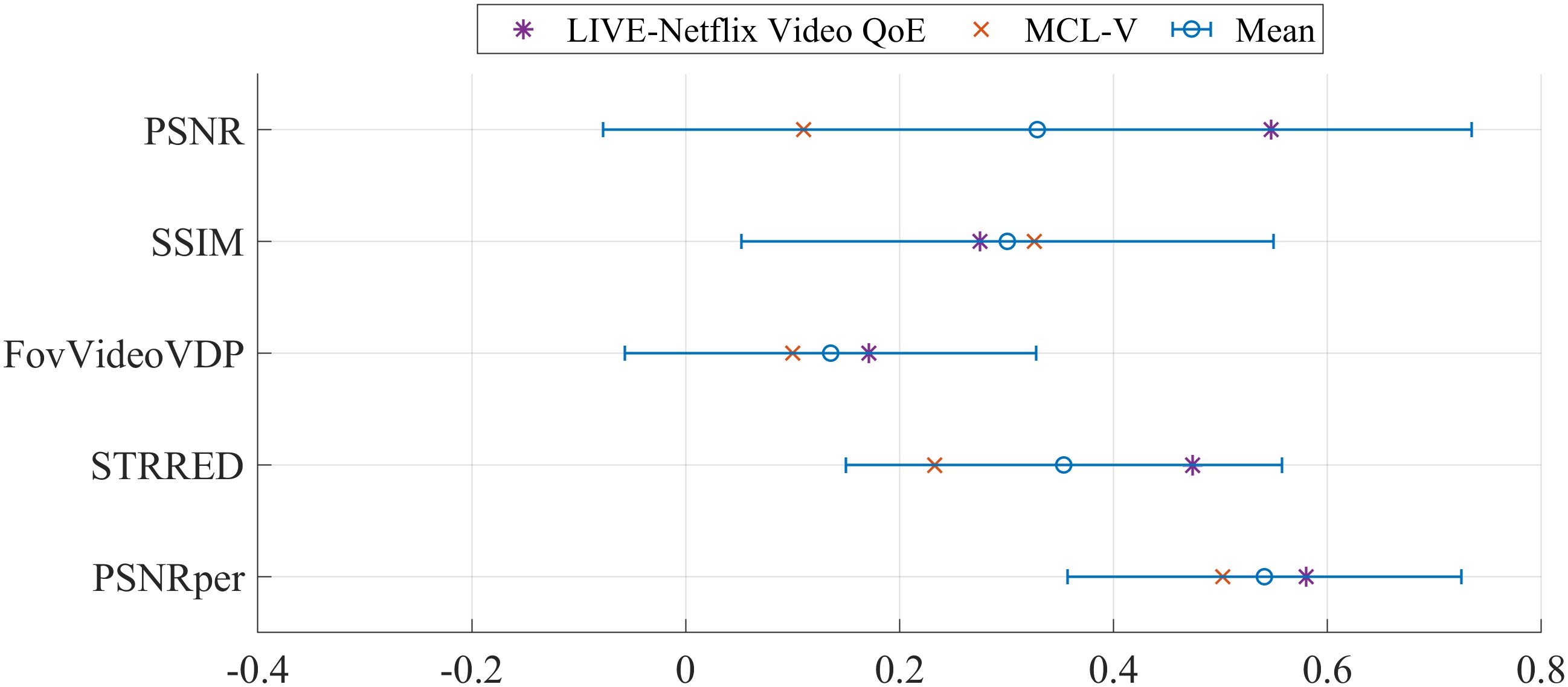
The proposed metric was evaluated using video sequences from LIVE-NFLX and related test scenarios, including frames with motion in peripheral areas. The results compare PSNR, PSNRper, FovVideoVDP and the proposed perception-aware metric.

Contact
Primary contact: amozhaeva@eit.ac.nz.